
Healthy Lifestyle7 min read
Does Rice Make You Fat? The Truth About Rice and Weight Loss
Rice is often blamed for weight gain, but the real answer depends on your overall diet and portions.
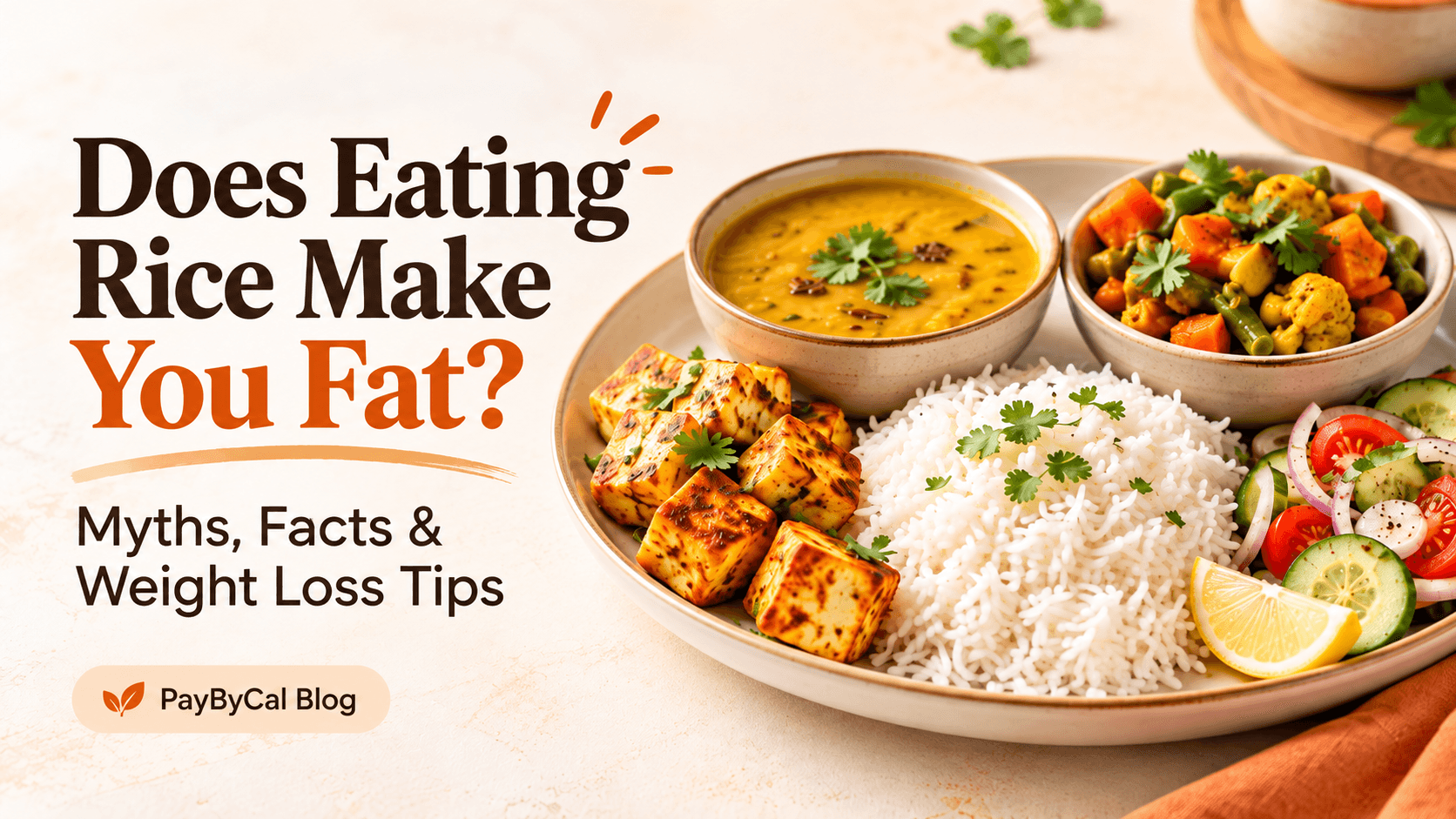
Does Eating Rice Make You Fat? The Truth About Rice and Weight Gain
Rice is one of the most commonly consumed foods in India and across the world. From a simple bowl of dal-chawal to vegetable pulao, rice is an important part of many everyday meals.
However, when people begin their weight-loss journey, rice is often one of the first foods they consider removing from their diet.
But does eating rice really make you fat?
The simple answer is no. Rice itself does not automatically cause body-fat gain.
Weight management depends on several factors, including your overall calorie intake, portion sizes, physical activity, food combinations, and daily eating habits.
Rice can be included in a healthy, balanced diet and can support weight-loss goals when consumed in appropriate portions.
Let's understand the facts behind this common nutrition myth.
1. Why Do People Think Rice Causes Weight Gain?
Rice is often associated with weight gain because it is rich in carbohydrates.
Carbohydrates are one of the body's primary sources of energy. However, consuming carbohydrates does not automatically mean your body will store them as fat.
Weight gain generally occurs when you consistently consume more calories than your body uses over time.
This can happen with any food, even foods commonly considered healthy.
Important factors that influence weight management include:
- Total daily calorie intake
- Portion sizes
- Food preparation methods
- Physical activity levels
- Overall dietary habits
The fact: Rice is not the problem by itself. Your overall eating pattern matters much more than one individual food.
2. Can You Eat Rice While Trying to Lose Weight?
Yes! You can enjoy rice even when your goal is weight loss.
There is no need to completely eliminate rice from your diet simply because you want to lose weight.
Instead, focus on portion control and building nutritionally balanced meals.
For example, consider these two meals:
Meal A: A large plate of plain white rice with very few vegetables or protein sources.
Meal B: A moderate portion of rice served with dal, vegetables, salad, and a protein source.
Meal B generally offers a better balance of carbohydrates, protein, fiber, and essential nutrients.
Adding protein and fiber-rich foods can also help you feel satisfied after eating.
Healthy eating is not about giving up your favorite foods. It is about learning how to include them in a balanced way.
3. Does the Amount of Rice Matter?
Yes, portion size plays an important role in managing your calorie intake.
Even nutritious foods can contribute to excess calorie consumption when eaten in very large quantities.
If rice is a regular part of your diet, being mindful of how much you serve can help you maintain a healthier eating pattern.
Simple Tips for Portion Control
- Start with a moderate serving of cooked rice.
- Include plenty of vegetables alongside your rice.
- Add protein-rich foods to make your meal more satisfying.
- Pay attention to your hunger and fullness signals.
- Adjust your portions according to your nutritional needs and activity levels.
You do not need to follow an extremely restrictive diet to manage your weight.
A sustainable approach allows you to enjoy familiar foods while maintaining appropriate portions.
4. White Rice vs. Brown Rice: Which Is Better for Weight Loss?
Both white rice and brown rice provide carbohydrates, but their nutritional composition differs.
| Nutritional FactorWhite RiceBrown Rice | ||
| Carbohydrates | Good source | Good source |
| Fiber | Generally lower | Generally higher |
| Processing | Bran and germ removed | Retains bran and germ |
| Nutrients | May contain fewer naturally occurring nutrients | Generally contains more fiber and certain minerals |
| Weight Loss | Can fit into a weight-loss diet | Can fit into a weight-loss diet |
Brown rice generally contains more fiber, which may support digestion and help with fullness.
However, switching from white rice to brown rice does not automatically lead to weight loss.
Your overall calorie intake, portion sizes, food combinations, and daily eating habits remain important.
If you enjoy white rice, you can continue eating it as part of a balanced diet.
5. What You Eat With Rice Matters
Rice is often eaten with other foods, and those combinations influence the nutritional quality and calorie content of your meal.
For example, plain rice served with dal and vegetables is nutritionally different from rice served with large amounts of oil, butter, creamy sauces, or fried accompaniments.
Foods You Can Pair With Rice
- Dal and pulses: Provide plant-based protein and fiber.
- Vegetables: Add vitamins, minerals, and fiber.
- Paneer or tofu: Offer additional protein.
- Eggs, fish, or lean meat: Provide protein and other nutrients.
- Curd or yogurt: Add protein and calcium.
- Salad: Adds variety, fiber, and micronutrients.
- Healthy fats: Can be included in appropriate quantities.
A well-balanced rice meal can provide carbohydrates, protein, fats, fiber, and essential nutrients.
Remember: The nutritional quality of your entire plate matters more than whether it contains rice.
6. Is Eating Rice at Night Bad for Weight Loss?
One of the most common diet myths is that eating rice at night causes weight gain.
However, eating rice at night does not automatically make you gain body fat.
Your body does not suddenly convert rice into fat simply because you eat it during the evening.
Your overall calorie intake, meal composition, and eating habits over time are more important.
If you enjoy rice for dinner, you do not necessarily need to stop eating it.
Instead, focus on:
- Eating appropriate portions
- Including protein and vegetables
- Avoiding unnecessarily large meals
- Maintaining a consistent and balanced dietary routine
The timing of meals may influence appetite and metabolic health in some circumstances, but there is no universal rule that rice must be avoided after a particular hour.
7. Five Simple Ways to Include Rice in a Healthy Diet
If you love eating rice but also want to manage your weight, these practical strategies can help.
1. Control Your Portions
You do not need to eliminate rice completely. Begin by understanding how much rice you typically consume and whether that portion suits your needs.
2. Add More Vegetables
Pair rice with vegetables such as spinach, carrots, beans, cauliflower, or other seasonal options.
Vegetables add fiber, vitamins, and minerals while improving the nutritional balance of your meal.
3. Include Protein
Combine rice with dal, chickpeas, paneer, tofu, eggs, fish, or other protein-rich foods.
Protein can help improve fullness and support muscle maintenance.
4. Be Mindful of Cooking Methods
Large amounts of oil, butter, ghee, and calorie-dense sauces can increase the total energy content of your meal.
Choose cooking methods and quantities that fit your nutritional needs.
5. Focus on Your Overall Diet
One meal does not determine your weight-loss progress.
What matters most is your overall dietary pattern, daily activity, sleep, and consistency over time.
8. What Really Matters for Weight Loss?
Successful and sustainable weight management involves much more than avoiding a particular food.
Several factors contribute to long-term progress.
Overall Calorie Intake: Maintaining an appropriate energy balance is important for managing body weight.
Portion Control: Understanding serving sizes can help prevent unintentional overeating.
Protein and Fiber: Including sufficient protein and fiber can improve fullness and support nutritional balance.
Physical Activity: Regular movement and exercise support overall health and weight management.
Sleep and Routine: Adequate sleep and consistent daily habits can influence appetite, energy levels, and dietary choices.
Consistency: Sustainable habits are generally more helpful than extreme short-term dietary restrictions.
Instead of asking, "Should I completely stop eating rice?"
Ask yourself:
"How can I include rice in a balanced diet that supports my health and fitness goals?"
9. Frequently Asked Questions (FAQs)
Q1. Does eating white rice every day cause weight gain?
Not necessarily. Eating white rice daily does not automatically cause weight gain. Your overall calorie intake, portion sizes, and dietary habits are more important.
Q2. Can I eat rice every day while losing weight?
Yes. Rice can be included in a daily weight-loss diet when consumed in suitable portions as part of balanced meals.
Q3. Is brown rice better than white rice for weight loss?
Brown rice generally contains more fiber and certain nutrients, but neither type guarantees weight loss. Both can fit into a balanced eating plan.
Q4. Should I stop eating rice at dinner?
No. There is no universal requirement to avoid rice at dinner for weight loss. Your overall diet and portion sizes matter more.
Q5. How much rice should I eat for weight loss?
The appropriate quantity depends on your age, activity level, calorie requirements, health conditions, and overall meal composition. A qualified dietitian can help determine portions suited to your needs.
10. The Bottom Line: Rice Is Not Your Enemy
Rice does not automatically make you fat.
Like any other food, its effect on your weight depends on how much you eat, what you eat alongside it, and how it fits into your overall dietary pattern.
You can enjoy rice while working toward your weight-loss goals.
Instead of following restrictive food rules, focus on:
- Balanced meals
- Appropriate portion sizes
- Protein and fiber-rich foods
- Regular physical activity
- Healthy daily habits
- Long-term consistency
Weight management is about your overall lifestyle, not blaming one food for weight gain.
Build a Healthier Diet With PayByCal
Confused about which foods to eat or how to manage your portions while trying to lose weight?
PayByCal helps you work toward your health and fitness goals with personalized nutrition guidance, meal planning, and expert consultation.
Rather than eliminating the foods you love, learn how to build a balanced eating routine that works for your lifestyle.
Start your healthier journey with PayByCal today!
🌐 Website: https://www.paybycal.com
Explore personalized diet plans and nutrition guidance with PayByCal.
Download the application
- Rice weight gain
- does rice make you fat
- carbs weight loss
This article is for general education and is not medical advice. Please consult a qualified healthcare professional about your individual needs.


