Healthy Lifestyle10 min read
Diwali 2026: How to Enjoy Sweets, Snacks & Family Meals Without Food Guilt
Enjoy Diwali without worrying about every sweet or festive snack you eat. Discover practical ways to enjoy traditional Indian treats, balance your meals, practise mindful eating and maintain healthy habits throughout the festive season without extreme dieting or food guilt.
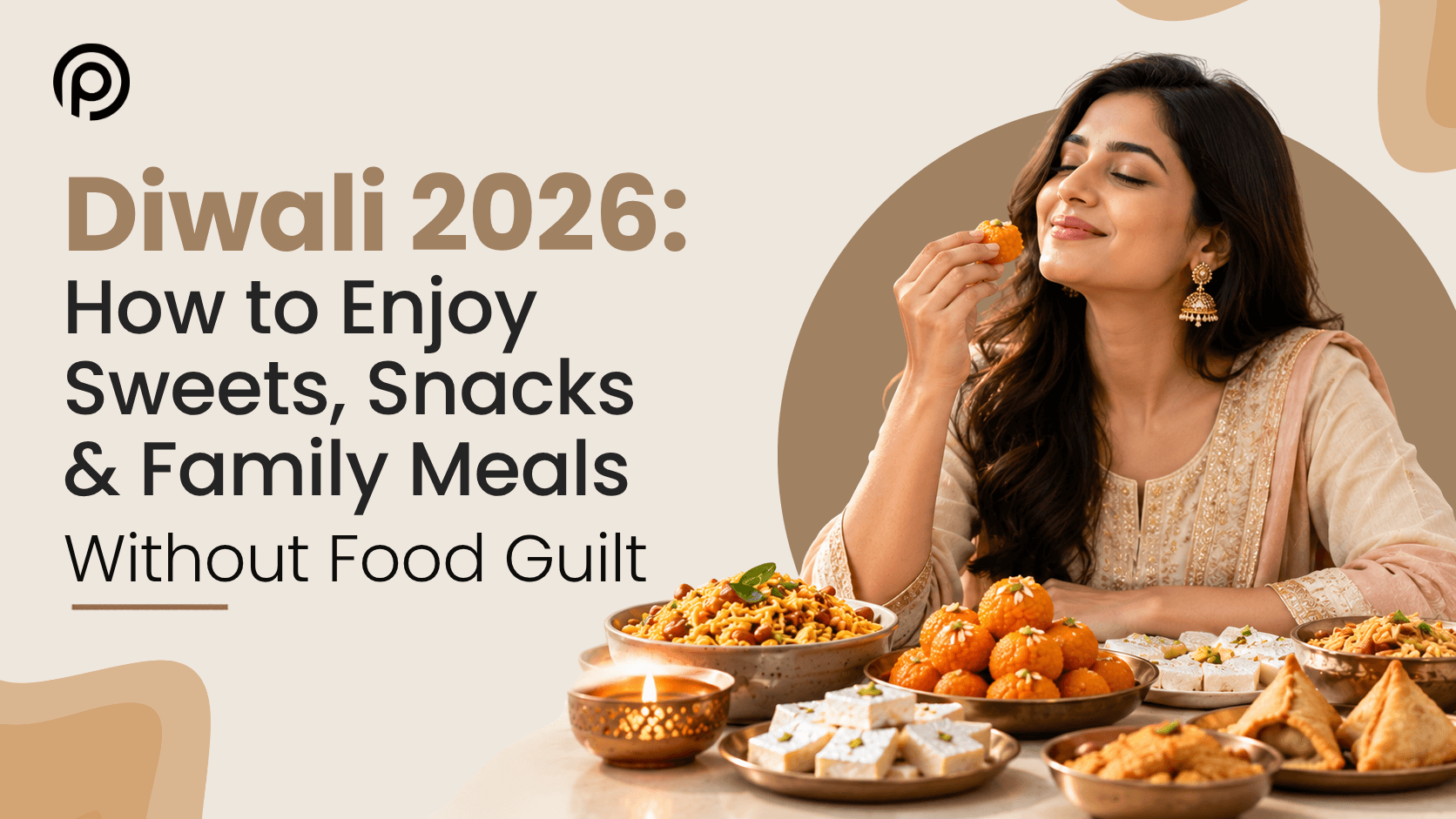
Diwali 2026: How to Enjoy Sweets, Snacks & Family Meals Without Food Guilt
Diwali is one of the most celebrated festivals in India. It is a time for family gatherings, decorations, exchanging gifts, preparing traditional dishes and enjoying delicious festive treats. From homemade laddoos and kaju katli to chakli, namkeen, samosas and festive thalis, food is an important part of the celebration.
However, for people trying to manage their weight or maintain a healthy lifestyle, Diwali can sometimes bring unnecessary food-related stress. Many people worry about eating sweets, consuming extra calories or disrupting their regular eating routine. Some even feel guilty after enjoying festive meals and try to compensate by skipping meals, following restrictive diets or exercising excessively.
But healthy eating does not mean avoiding every favourite food during celebrations. A balanced lifestyle should leave room for enjoyment, flexibility and social experiences.
The goal is not to follow a perfect diet throughout Diwali. It is to enjoy your favourite festive foods while making sensible choices that support your overall health.
Let's understand how you can enjoy Diwali sweets, snacks and family meals without food guilt.
1. Start With the Right Mindset: Food Is Part of Celebration
One of the biggest mistakes people make during festivals is treating food as something they must either completely control or completely avoid.
For example, someone trying to lose weight may decide not to eat any sweets during Diwali. However, when surrounded by family members enjoying traditional desserts, this restriction can become difficult to maintain.
Instead of labelling foods as good or bad, develop a more flexible approach to eating.
A few things to remember:
- Eating sweets occasionally does not automatically lead to weight gain.
- One festive meal does not undo your previous healthy habits.
- You do not need to feel guilty about enjoying traditional foods.
- Long-term eating patterns matter more than one or two festive meals.
Allow yourself to enjoy the festival without constantly worrying about your food choices.
2. Choose Your Favourite Sweets Instead of Eating Everything
Diwali brings several varieties of sweets, and it is common to find multiple desserts at home, during family visits and at social gatherings.
You may have access to kaju katli, gulab jamun, rasgulla, besan ladoo, coconut barfi and many other traditional treats.
Instead of trying every sweet simply because it is available, identify the ones you genuinely enjoy.
For example:
- Choose kaju katli if it is your favourite instead of eating several sweets you do not particularly enjoy.
- Enjoy a small serving of gulab jamun after a family meal.
- Have homemade besan ladoo with your evening tea.
- Share a dessert platter with family members when several varieties are available.
This approach encourages mindful eating and helps you enjoy your favourite foods without feeling that you need to avoid them completely.
Remember, the purpose is not to restrict yourself but to make intentional choices.
3. Balance Your Meals With Protein, Fibre and Healthy Foods
During festivals, people sometimes replace regular meals with sweets and snacks. This can leave meals less balanced and may make it harder to manage hunger throughout the day.
Try to maintain your regular meal pattern even when your schedule becomes busy.
A balanced Indian meal can include:
- Protein: Dal, paneer, curd, eggs, chicken, fish or chickpeas.
- Fibre: Seasonal vegetables, salads, fruits and whole grains.
- Carbohydrates: Roti, rice, poha, idli or other familiar grain-based foods.
- Healthy fats: Nuts, seeds and appropriate amounts of cooking oils.
For example, if you are attending a Diwali dinner, you can enjoy a balanced plate with dal, roti, sabzi, curd and salad before having your favourite dessert.
Including protein and fibre in meals supports fullness and helps maintain a more consistent eating routine.
You do not need to replace traditional Indian meals with expensive health foods. Simple homemade dishes can provide a balanced nutritional foundation.
4. Practise Portion Awareness Without Obsessing Over Calories
Portion awareness is useful during festive celebrations because food is often served in larger quantities than usual.
However, portion awareness should not become constant calorie counting or food anxiety.
Here are some practical ways to manage portions:
- Start with a reasonable serving instead of filling your plate with everything at once.
- Take smaller portions of snacks so you can enjoy different flavours.
- Eat slowly and pay attention to your hunger and fullness.
- Avoid eating directly from large snack packets or containers.
- Take additional servings if you are genuinely hungry rather than eating automatically.
For example, instead of eating several pieces of mithai throughout the evening without noticing, serve yourself a portion, sit down and enjoy it.
The idea is to become more aware of what and how much you are eating while still enjoying the experience.
5. Choose Smarter Snack Combinations During Diwali
Festive snacks are often fried, salty or energy-dense. Popular options include samosas, kachoris, chakli, namak pare, mixture and different varieties of namkeen.
You do not have to eliminate these foods from your celebrations. However, including other snack options can help create more variety.
Consider these combinations:
- Roasted chana with a small serving of festive namkeen.
- Fruit slices with a few nuts.
- Homemade dhokla with mint chutney.
- Sprouts chaat with onion, tomato and lemon.
- Paneer tikka with vegetable sticks.
- Roasted makhana with lightly seasoned spices.
If you enjoy samosas or kachoris, you can still include them occasionally. Simply balance your overall eating pattern with nutritious meals and other food choices.
A healthy festive routine is about variety and balance, not finding a perfect substitute for every traditional dish.
6. Do Not Skip Meals to Compensate for Festive Eating
One common misconception is that skipping breakfast or lunch can compensate for eating sweets or snacks later in the day.
For example, someone may avoid breakfast because they plan to attend a Diwali dinner. By the time the evening arrives, they may feel extremely hungry and find it difficult to make comfortable food choices.
Skipping meals as punishment for eating more than usual is not a sustainable approach.
Instead:
- Have your regular breakfast.
- Eat a balanced lunch.
- Include a nutritious snack if you feel hungry.
- Enjoy your festive dinner without arriving extremely hungry.
Regular meals help you maintain a more predictable eating routine and reduce the tendency to approach festive food with an all-or-nothing mindset.
7. Stay Hydrated Throughout the Festive Season
Between shopping, decorating, visiting relatives and attending celebrations, it is easy to forget about drinking enough water.
Hydration is an important part of maintaining your daily routine.
Some simple habits include:
- Keep a water bottle nearby while travelling or shopping.
- Drink water regularly throughout the day.
- Include water-rich foods such as cucumber, watermelon and oranges when available.
- Avoid relying entirely on sugary beverages to manage thirst.
- Enjoy traditional drinks in moderation according to your preferences.
Remember that hydration needs vary depending on activity, weather and individual circumstances.
8. Include Physical Activity Without Turning It Into Punishment
Diwali schedules can become busy, and your regular exercise routine may change. That does not mean you have to stop being physically active.
You can include simple movements throughout the day.
Some practical ideas include:
- Take a 20–30-minute walk in the morning or evening.
- Go for a family walk after dinner.
- Participate in household preparations and decorations.
- Dance during family celebrations.
- Continue your regular workout if your schedule allows.
Physical activity supports overall health, fitness and well-being.
However, avoid exercising excessively just because you ate sweets or enjoyed a large festive meal. Movement should be part of your lifestyle, not a way to punish yourself for eating.
9. Avoid Detox Diets and Extreme Restrictions After Diwali
After several days of festive celebrations, some people feel that they need to detox their bodies.
This may lead them to follow juice cleanses, skip meals, try prolonged fasting or eliminate entire food groups.
However, your body already has natural systems, particularly the liver and kidneys, that help process and eliminate waste products.
You do not need a special detox drink or an extreme diet to recover from normal festive eating.
Instead, return to simple and sustainable habits:
- Eat regular, balanced meals.
- Include fruits and vegetables daily.
- Drink adequate water.
- Get sufficient sleep.
- Resume your usual physical activity.
- Avoid unnecessary food restrictions.
If you have eaten more than usual during Diwali, there is no need to panic. Simply return to your normal routine.
10. What Does a Balanced Diwali Day Look Like?
A healthy festive day does not need to look very different from your regular eating routine. You can include familiar Indian foods while leaving room for traditional sweets and snacks.
Here is an example of how you can structure your meals.
Breakfast:
Vegetable poha with curd or paneer-stuffed vegetable paratha.
Mid-Morning Snack:
One seasonal fruit with a few almonds.
Lunch:
Two rotis, dal, seasonal sabzi, curd and salad.
Evening Snack:
Roasted chana, makhana or a small serving of your favourite festive snack.
Dinner:
Homemade vegetable pulao with raita or roti with paneer curry and vegetables.
Festive Dessert:
Enjoy a serving of your favourite Diwali sweet, such as kaju katli, gulab jamun or besan ladoo.
This is only an illustrative meal pattern. Your actual food requirements depend on your age, activity level, health conditions, preferences and nutritional needs.
11. Avoid Comparing Your Eating Habits With Others
During festivals, you may notice that some people avoid sweets completely, while others enjoy several festive dishes without worrying about their food choices.
It is important to remember that nutritional requirements and health goals differ from person to person.
Someone managing diabetes may need to plan carbohydrate intake differently from someone without the condition. Similarly, individuals working towards weight management may have different nutritional needs.
Avoid copying another person's diet or following extreme eating challenges simply because they are popular on social media.
If you have a medical condition or specific dietary requirements, consult a qualified healthcare professional or registered dietitian for appropriate guidance.
Key Takeaways
Diwali is a time to celebrate traditions, enjoy family meals and create happy memories. Maintaining a healthy lifestyle during the festive season does not mean giving up your favourite sweets or avoiding every festive snack.
Here are the most important things to remember:
- Enjoy your favourite sweets without unnecessary guilt.
- Choose foods you genuinely enjoy instead of eating everything available.
- Maintain balanced meals with protein, fibre and other essential nutrients.
- Practise portion awareness without becoming obsessed with calories.
- Avoid skipping meals to compensate for festive eating.
- Stay hydrated and include regular physical activity.
- Do not follow extreme detox diets after Diwali.
- Return to your normal eating routine without punishment or restrictions.
A healthy lifestyle is built through consistent habits over time, not through perfection during every meal.
Enjoy the festival, savour your favourite foods and remember that one celebration does not define your health journey.
Frequently Asked Questions (FAQs)
1. Can I eat sweets during Diwali while trying to lose weight?
Yes. You can enjoy sweets during Diwali even when working towards weight management. Focus on mindful portions, balanced meals and your overall eating habits rather than completely eliminating desserts.
2. Will eating sweets for a few days cause weight gain?
Eating sweets occasionally does not automatically cause significant weight gain. Body weight is influenced by several factors, including overall energy intake, physical activity, sleep and long-term lifestyle habits. Short-term weight fluctuations can also happen because of changes in food intake, hydration and digestion.
3. Should I skip meals after eating too many Diwali snacks?
No. Skipping meals to compensate for festive eating is not recommended as a routine strategy. Return to regular, balanced meals and follow your usual eating schedule.
4. What are some healthier Diwali snack options?
You can include roasted chana, makhana, sprouts chaat, dhokla, fruit, nuts and homemade paneer tikka. Traditional snacks can also be enjoyed in appropriate portions.
5. Do I need to follow a detox diet after Diwali?
No. Your liver and kidneys naturally support the body's waste-processing systems. A special detox diet is unnecessary. Focus on regular meals, hydration, sleep and physical activity.
6. How can I maintain my weight during Diwali?
Maintain a regular meal schedule, include protein and fibre, practise portion awareness, enjoy sweets mindfully and stay physically active. Avoid extreme restrictions and focus on sustainable habits.
7. Can people with diabetes enjoy Diwali sweets?
People with diabetes may be able to include sweets as part of an appropriately planned eating pattern. However, portion size, carbohydrate intake, blood glucose management and individual treatment plans are important. Consult your healthcare professional or dietitian for personalised advice.
8. What should I eat the day after Diwali?
Return to your regular balanced meals. Include vegetables, fruits, protein-rich foods, whole grains and adequate fluids. There is no need for fasting, detox drinks or restrictive diets.
Enjoy the festival, then return to your PayByCal routine.
For practical nutrition guidance, balanced meal planning and support with your health goals, explore PayByCal.
Download the application
https://paybycal.com/download.html
- diwali healthy eating
- diwali sweets
- mindful eating
- festive nutrition
- healthy diwali food
- portion control
- balanced diet
This article is for general education and is not medical advice. Please consult a qualified healthcare professional about your individual needs.