Healthy Lifestyle6 min read
PCOS Diet: What to Eat and How to Build Better Meals
Learn practical nutrition principles for PCOS without restrictive fad diets.
PCOS Diet: What to Eat and How to Build Better Meals
Understanding PCOS and Nutrition
Polycystic Ovary Syndrome (PCOS) is a common hormonal condition that can affect menstrual cycles, skin health, fertility and metabolism. Many women with PCOS also experience insulin resistance, which means the body's cells may not respond effectively to insulin. This can influence blood sugar regulation and may contribute to other metabolic concerns.
Nutrition can play a supportive role in managing PCOS symptoms and improving overall health. However, there is no single diet that works for every woman with PCOS. The most suitable eating pattern depends on individual symptoms, food preferences, lifestyle, medical history and nutritional needs.
PCOS nutrition does not require eliminating every carbohydrate or following a highly restrictive diet. Instead, a sustainable approach focuses on balanced meals, adequate protein, fibre-rich foods, healthy fats and appropriate portions. Consistent eating habits can help support energy levels, blood sugar management and long-term well-being.
1. Focus on Balanced Meals
Building balanced meals is one of the most practical ways to improve everyday nutrition when living with PCOS. Rather than concentrating on individual foods as either good or bad, aim to include a variety of nutrients in your daily meals.
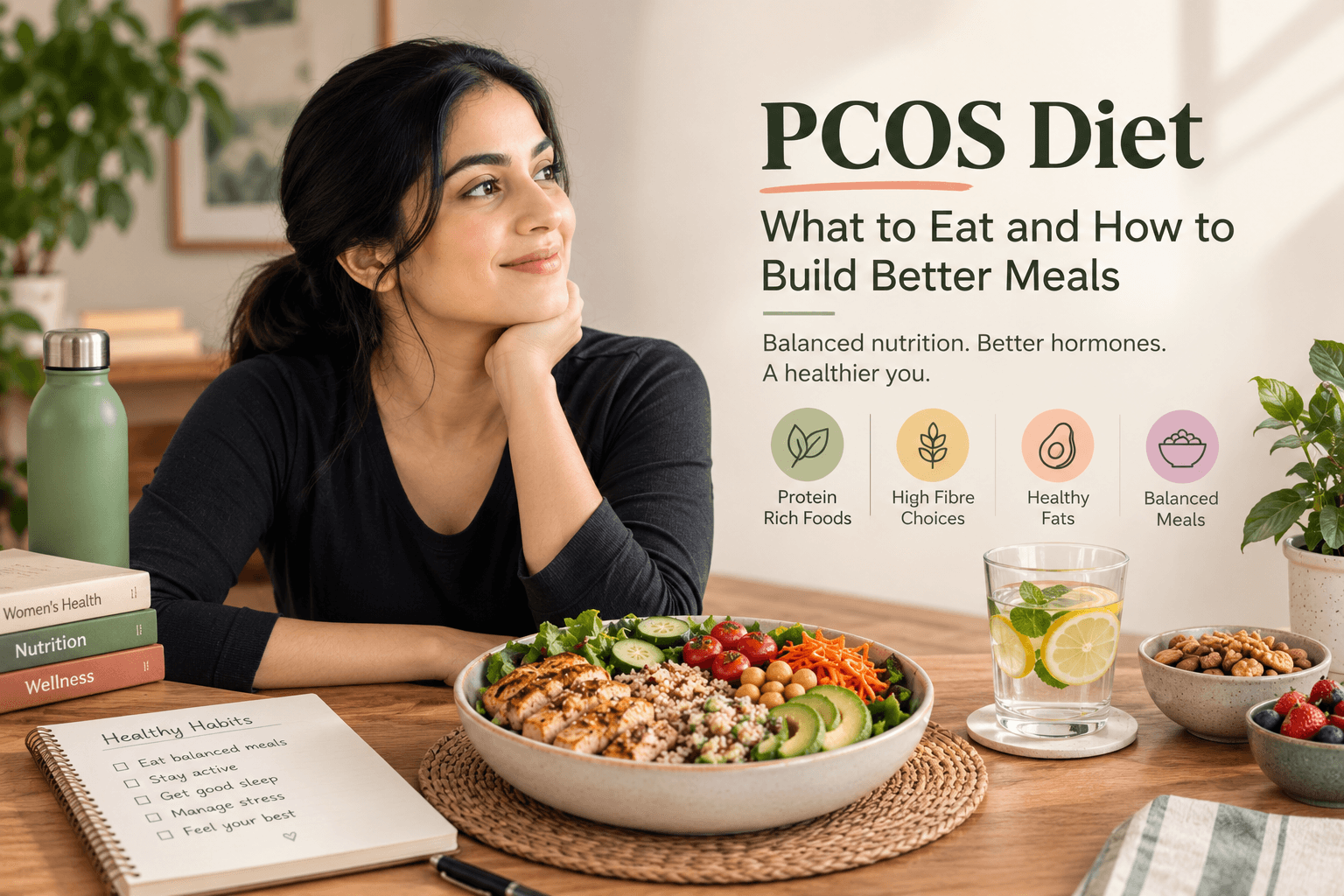
A balanced meal can include:
- Protein: Eggs, dal, paneer, tofu, curd, fish, chicken or beans.
- Fibre-rich carbohydrates: Whole-wheat roti, oats, brown rice, millets and other whole grains.
- Vegetables: Leafy greens, carrots, beans, cauliflower, cucumber and other seasonal vegetables.
- Healthy fats: Nuts, seeds, peanuts, olive oil or other unsaturated-fat sources.
Combining these food groups helps create satisfying meals and provides nutrients needed for normal body functions. It can also help slow digestion and support steadier blood glucose responses compared with meals dominated by refined carbohydrates alone.
2. Choose Carbohydrates Wisely
Carbohydrates are an important source of energy and do not need to be completely removed from a PCOS diet. The type, quantity and combination of carbohydrates can make a difference to overall meal quality.
Choose whole or minimally processed options more often, such as oats, whole-wheat roti, millets, beans, lentils, fruit and vegetables. These foods provide fibre and other nutrients that support digestive and metabolic health.
Refined foods such as sugary drinks, sweets, biscuits and highly processed snacks can still fit occasionally, depending on individual needs, but should not routinely replace more nutrient-dense foods.
Practical tip: Instead of eating a large serving of plain white rice on its own, combine a moderate portion of rice with dal, vegetables, curd or another suitable protein source. The goal is to create a balanced plate rather than eliminate rice or roti.
3. Include Protein in Your Daily Meals
Protein supports muscle maintenance, tissue repair and satiety. Including a protein source in meals may help you feel satisfied for longer and reduce the urge to snack frequently.
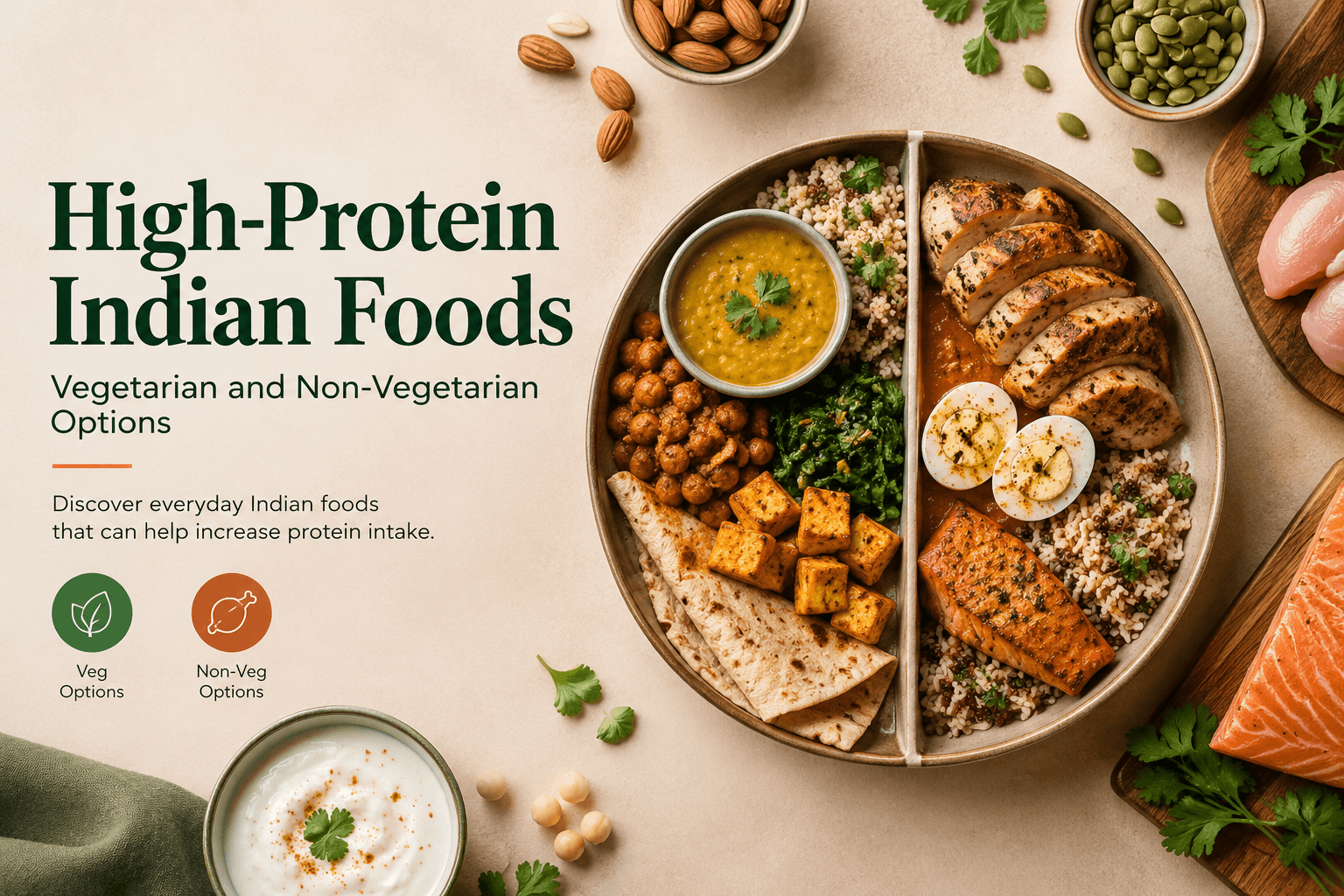
Vegetarian options include dal, chickpeas, rajma, soybeans, tofu, paneer, milk, curd and other dairy products. Non-vegetarian options include eggs, fish and chicken.
For example, breakfast could include eggs with whole-wheat toast or vegetable besan chilla with curd. Lunch could combine roti, dal, vegetables and curd, while dinner could include tofu, paneer, fish or chicken with vegetables and a suitable carbohydrate source.
Protein requirements differ from person to person, so the ideal amount depends on factors such as body size, activity level, overall health and individual dietary needs.
4. Increase Fibre Through Whole Foods
Fibre supports digestive health, helps promote fullness and can contribute to better blood glucose management. A fibre-rich diet is particularly useful when planning balanced meals for PCOS.
Good sources include vegetables, fruits, whole grains, lentils, beans, nuts and seeds. Try to include different types of plant foods throughout the week rather than relying on just one source.
For instance, add vegetables to poha or upma, include beans or dal at lunch, choose whole fruit instead of fruit juice more often, and incorporate vegetables into dinner.
Increase fibre gradually if your current intake is low, and drink enough water to support digestion.
5. Include Healthy Fats
Dietary fats are essential for normal body functions and help the body absorb fat-soluble vitamins. Choosing more unsaturated fats can also support overall cardiovascular health.
Useful options include almonds, walnuts, peanuts, flaxseeds, chia seeds and cooking oils rich in unsaturated fats. Fatty fish can also provide omega-3 fatty acids.
You do not need to avoid all fats or follow a fat-free diet. Instead, pay attention to portions and the overall quality of your meals. Frequent consumption of foods high in trans fats or excessive saturated fats may be less beneficial for long-term heart health.
6. Do Not Follow Extreme or Restrictive Diets
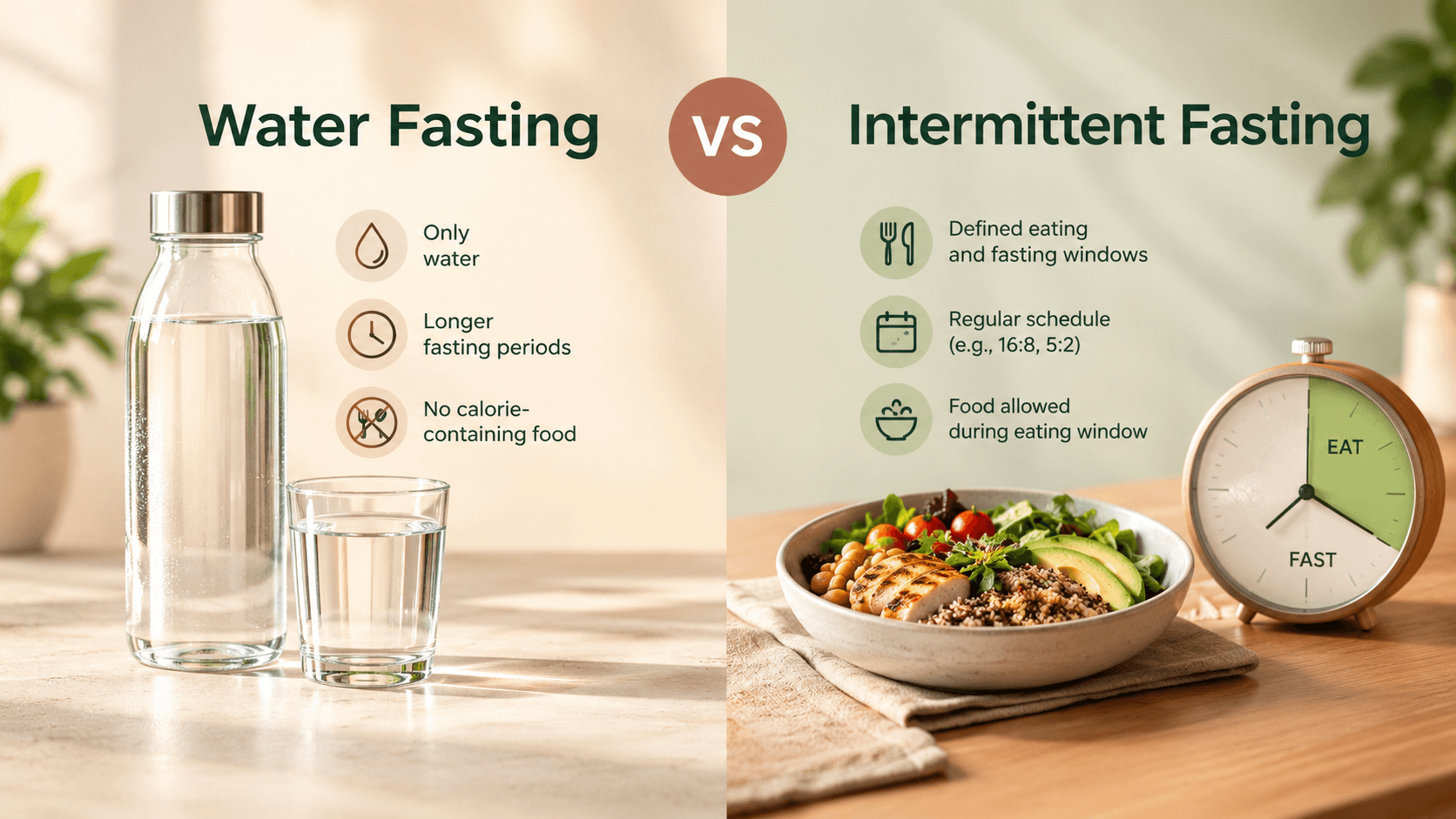
Women with PCOS may encounter advice recommending the complete elimination of carbohydrates, skipping meals, prolonged fasting or following very low-calorie diets. These approaches are not necessary for everyone and may make it harder to meet nutritional needs.
Highly restrictive diets can also be difficult to maintain and may contribute to fatigue, food-related stress or an unhealthy relationship with eating.
A more sustainable approach involves eating a varied diet, maintaining regular meal patterns that suit your routine and making gradual changes you can continue over time. There is no universal PCOS diet, and no single food can cure the condition.
7. Build Practical Indian Meals for PCOS
Everyday Indian foods can form part of a balanced PCOS-friendly eating pattern. You do not need expensive ingredients, imported health foods or a separate menu from the rest of your family.
Here are a few meal ideas:
- Breakfast: Vegetable oats, moong dal chilla, eggs with whole-wheat toast or besan chilla with curd.
- Lunch: Roti or rice with dal, seasonal vegetables, salad and curd.
- Evening snack: Roasted chana, a small portion of nuts, fruit or unsweetened curd.
- Dinner: Vegetable khichdi with curd, dal with roti and vegetables, or a protein source with whole grains and cooked vegetables.
These are examples rather than a prescribed meal plan. Portion sizes and food choices should be adjusted according to hunger, activity, medical needs, cultural preferences and any advice from a qualified healthcare professional.
8. Support Nutrition With Everyday Lifestyle Habits
Nutrition is one part of PCOS management, but other lifestyle habits also matter. Regular physical activity, adequate sleep and stress management can support general health and metabolic well-being.
Activities such as walking, strength training, cycling, swimming or yoga can be adapted to individual fitness levels and preferences. Consistent sleep routines and realistic stress-management practices may also help support overall well-being.
Progress does not have to mean rapid weight loss. Depending on individual circumstances, useful goals may include improved energy, more consistent eating habits, better fitness, improved metabolic markers or menstrual health.
9. Understand When Professional Guidance Helps
PCOS can present differently in different individuals. Some women experience irregular periods, acne or excess hair growth, while others may have concerns related to insulin resistance, fertility or cholesterol levels.
A qualified dietitian can help develop an eating plan that fits your routine, food preferences, nutritional requirements and health goals. A healthcare professional can also assess symptoms and advise on appropriate investigations and treatment.
Diet alone may not address every aspect of PCOS, and nutrition changes should complement—not replace—recommended medical care.
Final Thoughts
Managing nutrition with PCOS is about building consistent, balanced and realistic habits rather than following strict food rules. Including protein, fibre-rich carbohydrates, vegetables, healthy fats and a variety of whole foods can help support overall health.
Start with small changes, such as adding protein to breakfast, including vegetables at lunch and choosing fibre-rich snacks more often. Over time, these practical habits can become part of a sustainable routine.
Remember: There is no one-size-fits-all PCOS diet. The best approach is one that meets your nutritional needs, fits your lifestyle and supports your health goals over the long term.
Download the application now
- PCOS diet
- PCOD diet
- foods for PCOS
- women health
This article is for general education and is not medical advice. Please consult a qualified healthcare professional about your individual needs.