Healthy Lifestyle5 min read
How to Break a Water Fast: A Practical Refeeding Guide
What you eat after fasting matters. Learn the basics of gradually returning to regular meals.
How to Break a Water Fast: A Practical Refeeding Guide
Why Breaking Your Fast Properly Matters
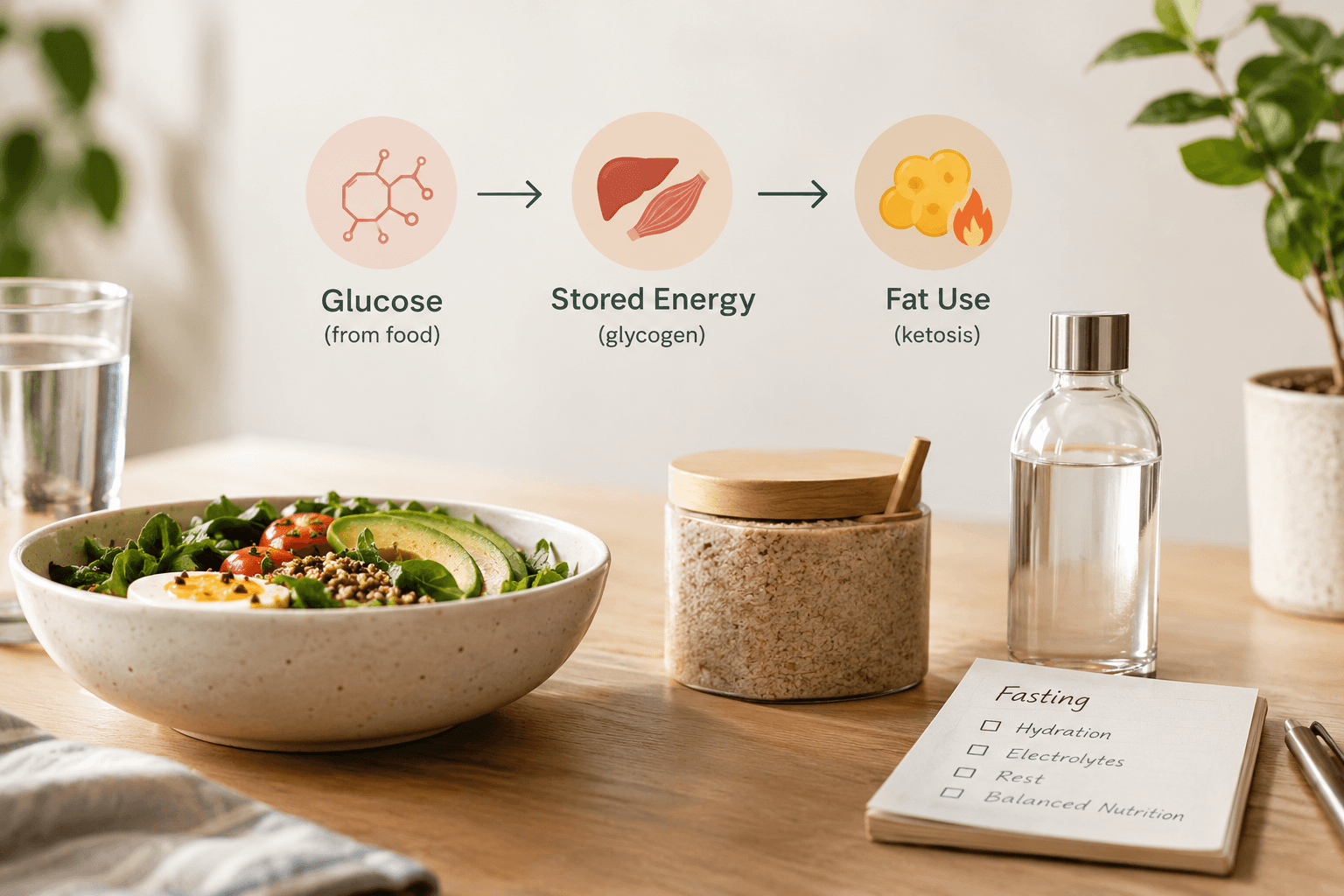
Breaking a water fast is an important part of the fasting process. After a period without food, returning to regular meals requires some thought, particularly if the fast has lasted longer than a day. Eating an unusually large meal immediately after fasting may cause digestive discomfort, bloating, nausea, or a feeling of heaviness. A gradual return to eating can make the transition more manageable.
The best approach depends on the duration of the fast, your general health, nutritional status, and any existing medical conditions. While a short period without food may require relatively few adjustments for a healthy adult, prolonged fasting can create more significant nutritional and electrolyte concerns. Understanding how to resume eating can help you make informed decisions about your health.
1. Start With Small, Comfortable Portions
After fasting, avoid immediately consuming a very large meal. Instead, begin with a modest portion of food that is easy for you to tolerate. Eat slowly, chew thoroughly, and pay attention to how your body responds.
Large meals consumed quickly may contribute to discomfort, especially when your digestive system is adjusting to food again. Starting with a smaller meal and allowing time before eating more can help you assess your appetite and comfort level.
There is no single portion size that works for everyone. Your needs will depend on how long you have fasted, your usual eating pattern, and your individual health requirements.
2. Choose Balanced and Familiar Foods
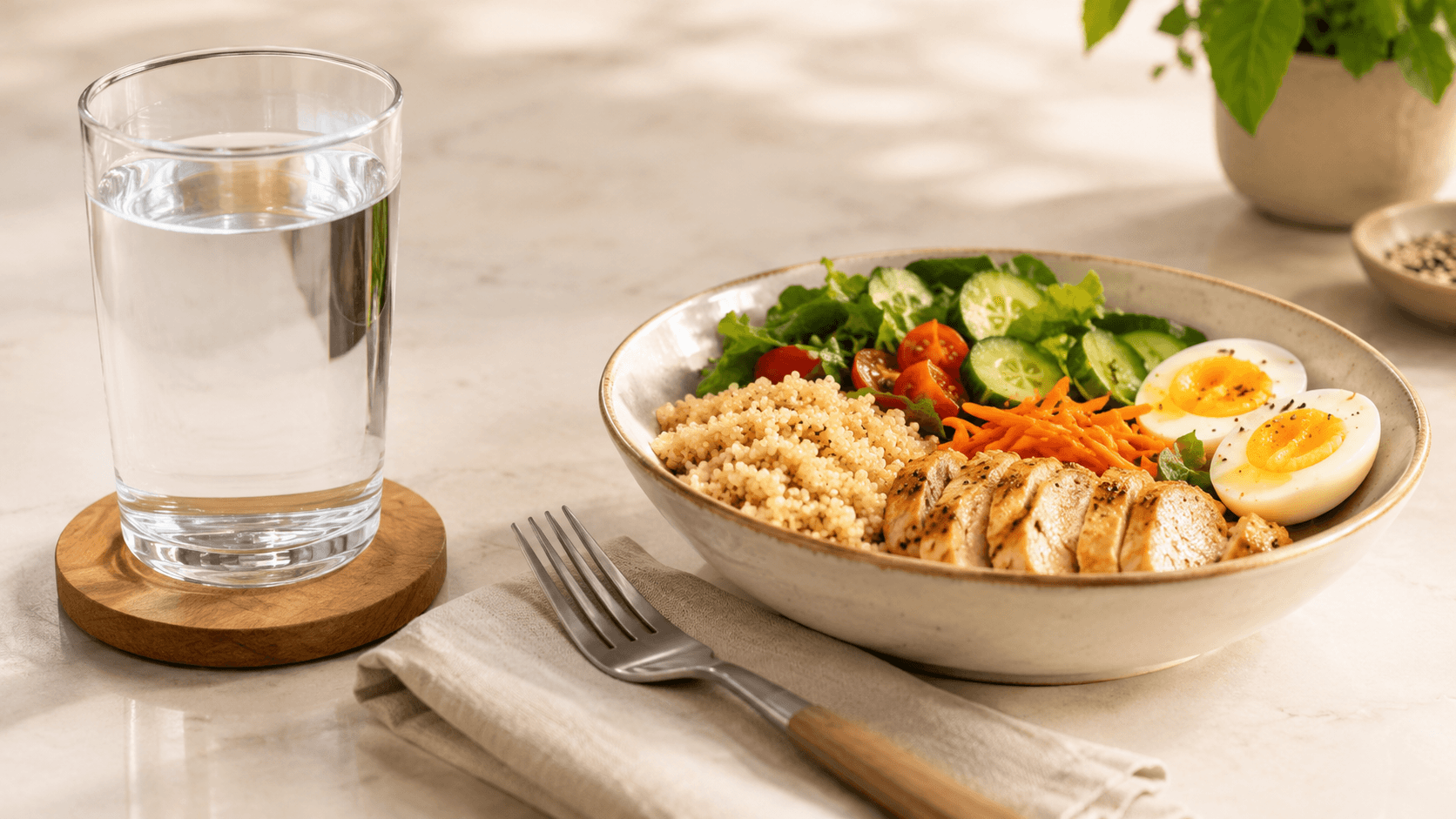
When you return to eating, focus on a variety of nourishing foods rather than trying to compensate for missed meals all at once. Depending on your tolerance and nutritional needs, suitable options may include cooked vegetables, rice, oats, curd, eggs, dal, or other familiar foods.
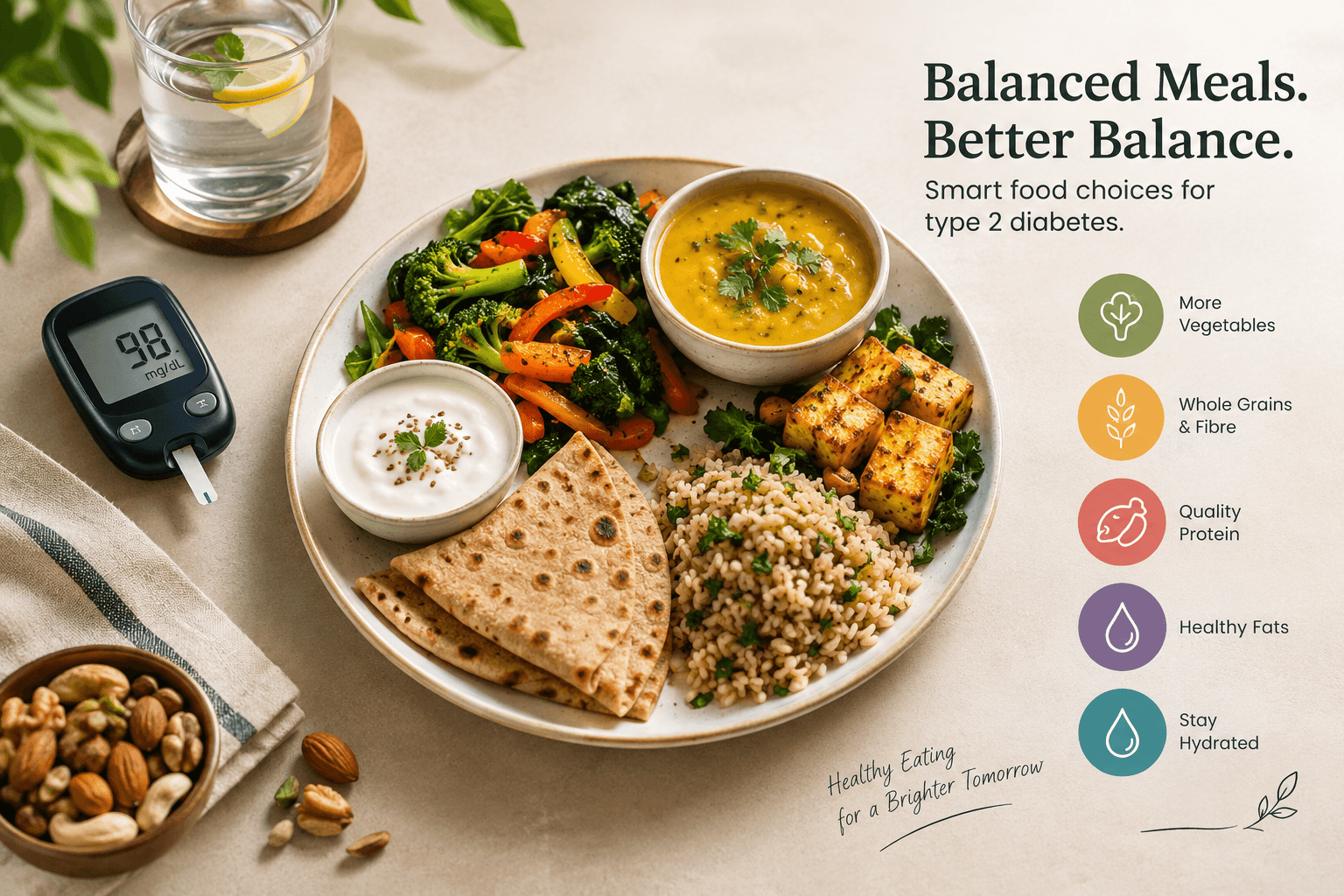
A balanced eating pattern should eventually provide carbohydrates for energy, protein for tissue maintenance, healthy fats, vitamins, minerals, and adequate fluids. You do not need to follow an unnecessarily restrictive menu after fasting.
For example, a simple meal might include rice or roti, cooked vegetables, and a source of protein such as dal, paneer, tofu, or eggs. The most appropriate choices will vary according to your dietary preferences and medical needs.
3. Eat Slowly and Listen to Your Body
After fasting, it can be tempting to eat quickly because you feel hungry. However, taking your time allows you to notice fullness and discomfort before you consume more than you need.
Try eating without distractions, taking smaller bites, and pausing during your meal. If you begin to feel uncomfortably full, avoid forcing yourself to finish a large portion.
Mild digestive changes may occur when regular eating resumes, but severe or persistent symptoms should not be ignored. Listening to your body means responding to discomfort appropriately rather than pushing through it.
4. Maintain Adequate Hydration
Hydration remains important when returning to regular meals. Drink water according to your thirst and individual needs, rather than forcing yourself to consume excessive amounts at once.
Food also contributes to daily fluid intake, particularly when meals contain vegetables, fruits, soups, and other water-rich ingredients. However, drinking large amounts of water does not replace the electrolytes and nutrients your body needs.
Avoid taking electrolyte supplements or salt mixtures in excessive quantities without appropriate guidance. People with kidney, heart, or other medical conditions may require specific fluid and electrolyte recommendations.
5. Return to Regular Meals Gradually
You do not need to make up for every missed meal immediately after breaking a fast. Focus on returning to a regular eating pattern that provides enough energy and nutrients for your daily activities.
Depending on your circumstances, this may mean beginning with a smaller meal and then resuming your usual meals as tolerated. Avoid using the end of a fast as a reason to overeat or immediately begin another restrictive eating cycle.
A sustainable approach to nutrition is more valuable than trying to compensate for fasting with extreme eating patterns. Consistent, balanced meals can help support energy levels and overall nutritional wellbeing.
6. Understand the Risks of Prolonged Fasting
Longer fasts require additional caution. After prolonged food deprivation, restarting nutrition too quickly can cause refeeding syndrome, a potentially serious condition involving shifts in electrolytes and fluids as the body begins processing nutrients again.
The risk may be higher in people who have had little or no food for an extended period, are undernourished, have experienced significant weight loss, or have certain medical conditions. Refeeding syndrome can affect the heart, muscles, breathing, and other body systems.
People who have fasted for several days, have a history of malnutrition, or have other risk factors should seek medical guidance before resuming food. They may require supervised refeeding, appropriate blood tests, and monitoring of electrolytes. There is no universal meal plan that makes a prolonged water fast safe to end independently.
Seek urgent medical attention if you develop symptoms such as difficulty breathing, confusion, fainting, severe weakness, an irregular heartbeat, or significant swelling after restarting food.
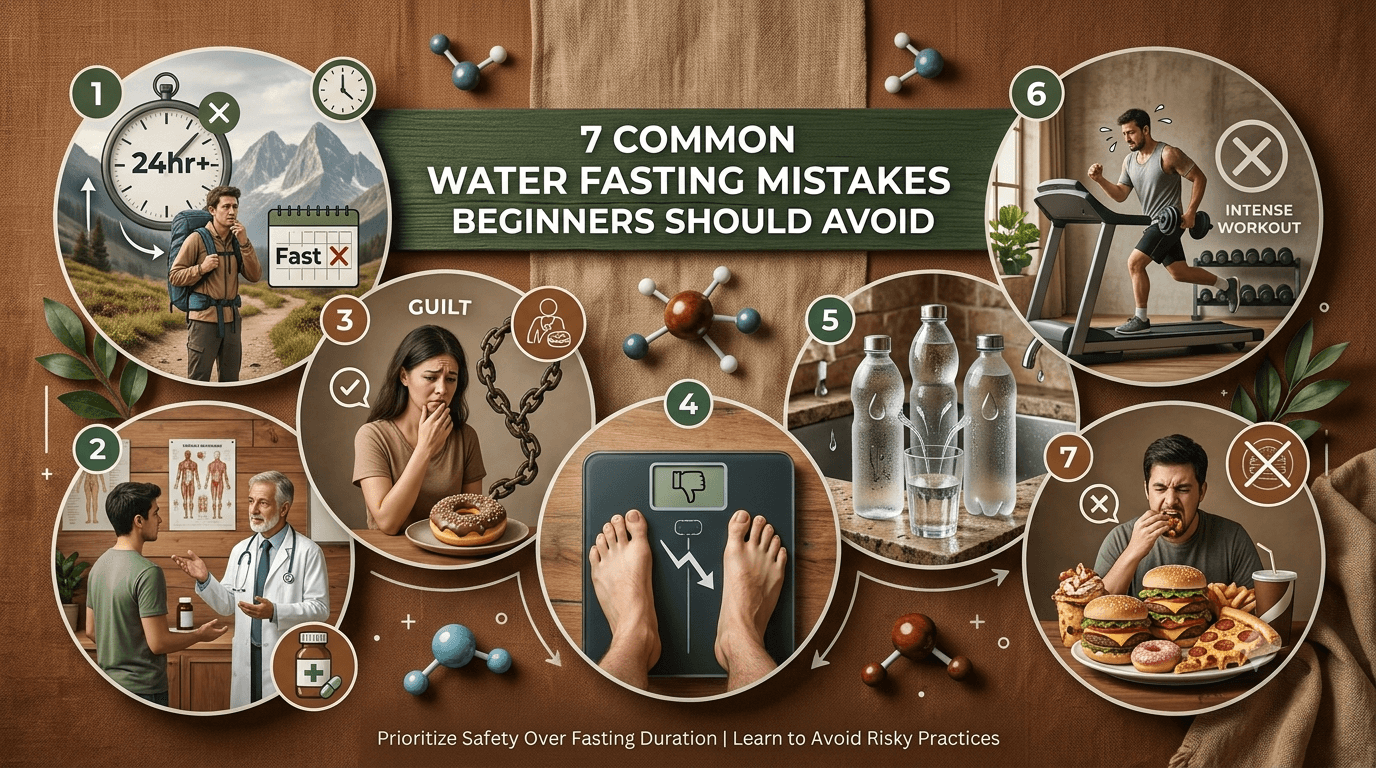
7. Avoid Common Mistakes When Breaking a Fast
A few common mistakes can make the transition back to regular eating more difficult:
- Eating an unusually large meal: A sudden, heavy meal may cause digestive discomfort.
- Eating too quickly: Rapid eating can make it harder to recognize fullness.
- Ignoring nutritional balance: Eating only one type of food may not provide the range of nutrients your body needs.
- Overlooking medical risks: Prolonged fasting may require professional assessment before refeeding.
- Using supplements without guidance: Excessive electrolyte supplementation can be harmful, particularly for people with certain health conditions.
- Repeating prolonged fasts without a plan: Frequent restrictive fasting may make it harder to meet your nutritional needs.
Avoiding these mistakes begins with understanding your individual needs and recognizing when professional advice is necessary.
8. Who Should Seek Professional Advice Before Refeeding?
Not everyone should attempt prolonged water fasting or manage refeeding independently. Medical advice is particularly important for people who are underweight, have experienced recent significant weight loss, have diabetes, have kidney or heart conditions, take medicines that affect blood sugar or fluid balance, or have a history of an eating disorder.
Children, teenagers, pregnant or breastfeeding individuals, and people recovering from illness should not undertake prolonged fasting without appropriate medical advice.
A qualified healthcare professional can assess the duration of the fast, nutritional status, medical history, and potential complications before recommending an appropriate plan for resuming food.
Conclusion
Breaking a water fast is not simply about choosing the first meal you eat. It involves returning to regular nutrition in a way that considers your health, the duration of your fast, and your body's nutritional requirements.
For shorter fasts, eating at a comfortable pace and returning to balanced meals may be sufficient for many healthy adults. After prolonged fasting, however, professional supervision may be essential because of the risk of refeeding syndrome and electrolyte disturbances.
Rather than focusing only on the fasting period, prioritize adequate nutrition, appropriate hydration, and sustainable eating habits. If you are unsure how to resume eating safely, consult a qualified healthcare professional for advice suited to your circumstances.
Download the applications
- Break water fast
- refeeding after fasting
- fasting food
This article is for general education and is not medical advice. Please consult a qualified healthcare professional about your individual needs.