Healthy Lifestyle12 min read
Winter Weight Loss in India: 12 Habits That Actually Make Sense
Winter can make weight management feel more challenging. Colder mornings, increased appetite, festive foods and reduced physical activity can affect your daily routine. However, losing weight during winter does not require skipping meals or following strict diets. Discover 12 practical habits that can help you manage portions, eat balanced Indian meals, stay active, improve sleep and maintain consistency throughout the winter season.
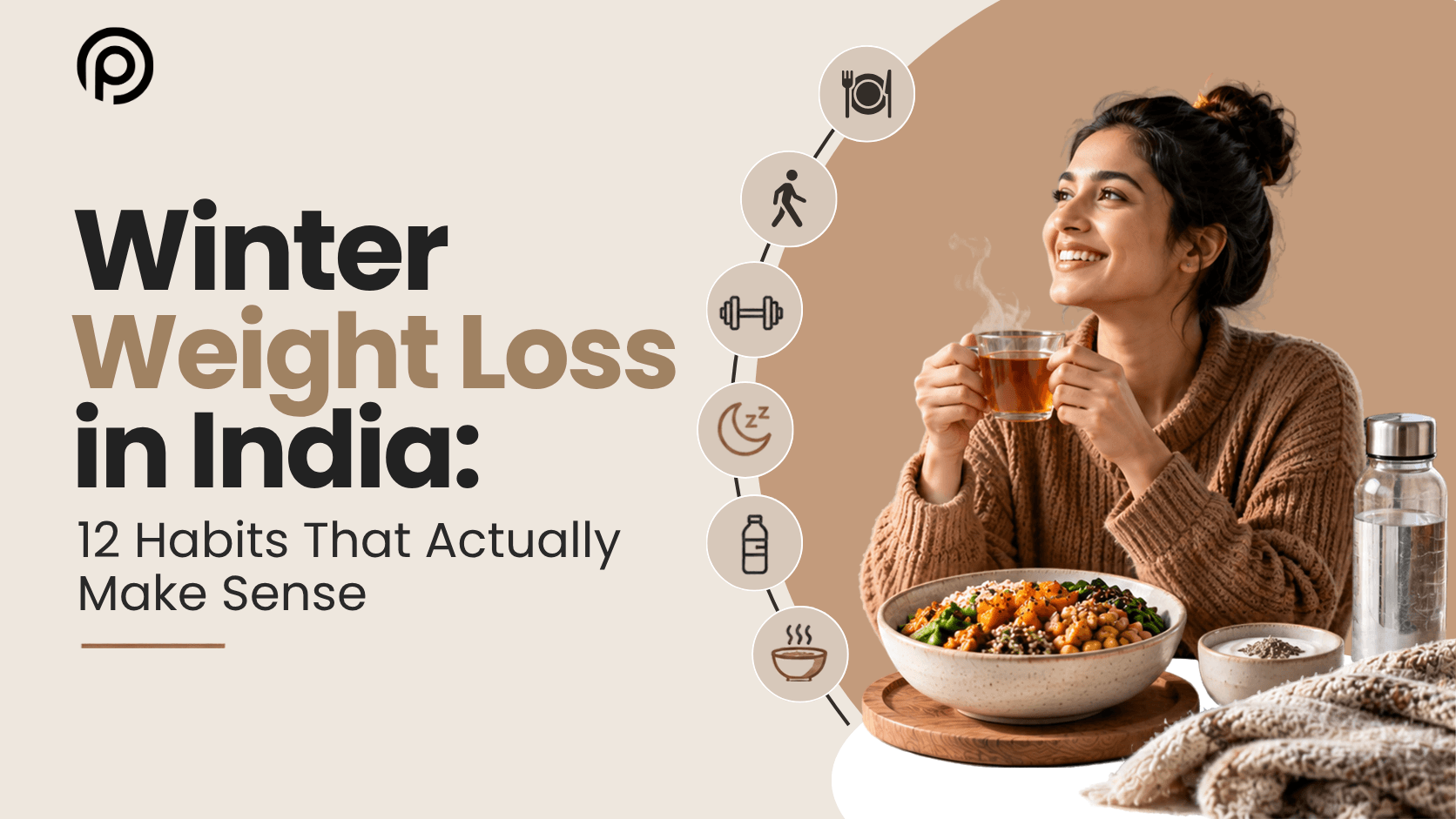
Winter Weight Loss in India: 12 Habits That Actually Make Sense
Winter is a season when many people find it difficult to maintain their weight-management routine. Early mornings become colder, outdoor walks may feel less appealing, and the desire to enjoy warm, comforting foods increases. From parathas and pakoras to gajar ka halwa, ladoos and other seasonal favourites, winter brings plenty of delicious food choices.
At the same time, people may spend more time indoors and become less physically active. These small lifestyle changes can gradually affect eating patterns, daily movement and overall calorie intake.
However, winter does not have to become a barrier to your weight-management goals. You do not need to avoid your favourite seasonal foods or follow an extremely restrictive diet.
The key is to develop sustainable habits that support balanced nutrition, regular physical activity and consistency.
If you are trying to manage your weight this winter, here are 12 practical habits that actually make sense for Indian lifestyles.
1. Start Your Day with a Balanced Breakfast
During winter, many people feel hungrier in the morning and may prefer warm, filling meals. Instead of skipping breakfast or relying on tea and biscuits, choose a meal that provides protein, fibre and essential nutrients.
A balanced breakfast can help you feel satisfied and make it easier to manage hunger throughout the day.
Some healthy Indian breakfast options include:
- Vegetable oats with curd.
- Moong dal chilla with paneer stuffing.
- Vegetable poha with peanuts.
- Besan chilla with mint chutney.
- Idli with sambar.
- Boiled eggs with whole-wheat toast.
- Vegetable dalia.
Try to include a source of protein in your breakfast. Protein helps support muscle maintenance and promotes fullness, making it an important part of a weight-management diet.
2. Pay Attention to Portion Sizes
Winter foods are often rich, comforting and calorie-dense. Foods such as parathas, halwa, fried snacks and sweets can easily increase your daily calorie intake when consumed in large portions.
This does not mean you need to completely eliminate them.
Instead, become more mindful of how much you eat.
For example:
- Enjoy one or two appropriately sized parathas instead of eating several automatically.
- Serve sweets in smaller portions.
- Avoid eating directly from large packets of snacks.
- Use a regular plate to understand your meal portions.
- Eat slowly and notice when you feel comfortably full.
A simple approach is to fill half your plate with vegetables, one-quarter with protein-rich foods and the remaining quarter with rice or roti.
Remember, portion awareness is not about eating as little as possible. It is about giving your body an appropriate amount of food.
3. Include Protein in Every Main Meal
Protein plays an important role in maintaining muscle mass, supporting recovery and keeping you satisfied after meals.
When trying to lose weight, adequate protein intake becomes particularly important because it helps support muscle preservation during a calorie deficit.
Indian diets offer several affordable protein sources.
Vegetarian options:
- Paneer.
- Tofu.
- Dal and legumes.
- Chickpeas and rajma.
- Curd and Greek yoghurt.
- Milk.
- Soybeans.
Non-vegetarian options:
- Eggs.
- Chicken.
- Fish.
- Lean meat.
For example, instead of having only plain roti and vegetables, you can add dal, paneer, curd or another protein source to make the meal more balanced.
Your protein requirements depend on factors such as age, body weight, activity level and health conditions.
4. Make Seasonal Vegetables a Regular Part of Your Diet
Winter offers a wonderful variety of seasonal vegetables in India. These foods provide fibre, vitamins, minerals and other beneficial plant compounds.
Some nutritious winter vegetables include:
- Carrots.
- Spinach.
- Fenugreek leaves (methi).
- Cauliflower.
- Green peas.
- Radish.
- Mustard greens (sarson).
- Beetroot.
- Turnips.
Try including different vegetables in your everyday meals.
For example, you can prepare palak dal, methi roti, mixed vegetable sabzi, carrot salad or homemade vegetable soup.
Fibre-rich foods can help support digestion and improve fullness. This makes seasonal vegetables useful additions to a balanced weight-management diet.
5. Do Not Confuse Warm Comfort Foods with Unhealthy Eating
One common winter mistake is assuming that all comfort foods are unhealthy.
Traditional Indian winter foods can absolutely be part of a nutritious diet.
For example, sarson ka saag with makki ki roti, vegetable khichdi, homemade soups, dalia and vegetable dal can provide a combination of nutrients.
The important factors are preparation methods, portion sizes and overall dietary balance.
You can make small improvements without losing the taste of your favourite dishes:
- Use moderate amounts of ghee and oil.
- Add more vegetables to traditional recipes.
- Choose homemade snacks more often.
- Include protein-rich ingredients.
- Avoid making fried foods an everyday habit.
Healthy eating should be enjoyable and practical, not a collection of restrictions.
6. Stay Physically Active Even When It Is Cold
One of the biggest winter challenges is reduced physical activity.
When temperatures drop, people may avoid morning walks, outdoor exercise and other movement-based activities. Spending more time sitting indoors can gradually reduce daily energy expenditure.
You do not necessarily need a gym membership to remain active.
Try incorporating simple activities into your daily routine:
- Take a 20–30-minute walk when the weather is comfortable.
- Do indoor walking exercises.
- Practise yoga or stretching.
- Use stairs instead of lifts when practical.
- Take short movement breaks during work.
- Try bodyweight exercises at home.
If you are a beginner, start with manageable activity levels and gradually increase your duration and intensity.
Consistency matters more than doing an intense workout occasionally.
7. Stay Hydrated Throughout the Day
People often drink less water during winter because they do not feel as thirsty as they do during summer.
However, your body still needs adequate fluids throughout the day.
Dehydration can sometimes be mistaken for hunger, although thirst and hunger are different sensations.
To maintain hydration:
- Keep a water bottle near your workspace.
- Drink water regularly throughout the day.
- Include warm water if you prefer it.
- Enjoy homemade soups as part of your meals.
- Include water-rich foods such as oranges, cucumbers and other fruits and vegetables.
Tea and coffee can also contribute to fluid intake, but avoid depending entirely on caffeinated or sugary beverages.
Your fluid requirements may vary depending on your activity level, weather and health conditions.
8. Be Mindful of Winter Snacks and Sweets
Winter in India brings many tempting snacks and traditional sweets.
Gajak, chikki, til ladoo, peanut chikki, pakoras and gajar ka halwa are popular seasonal favourites.
There is no need to completely avoid these foods while working towards your weight-management goals.
Instead, focus on frequency and portion sizes.
Some practical habits include:
- Choose a small serving instead of repeatedly snacking.
- Avoid eating sweets while distracted by television or mobile phones.
- Keep healthier snack options available.
- Prepare homemade snacks with controlled amounts of sugar and oil.
- Enjoy traditional treats occasionally rather than making them an automatic daily habit.
Roasted chana, nuts, fruit, boiled eggs and homemade vegetable snacks can also be useful alternatives.
A balanced diet allows flexibility. One serving of your favourite winter sweet does not undo your overall progress.
9. Improve Your Sleep Routine
Sleep is often overlooked when people focus on weight loss.
However, poor sleep can affect appetite regulation, food choices, energy levels and motivation to remain physically active.
When you do not sleep well, you may find yourself craving energy-dense foods or feeling too tired to exercise.
Try these simple habits:
- Maintain a consistent bedtime.
- Aim for approximately 7–9 hours of sleep if you are an adult.
- Avoid heavy meals immediately before sleeping.
- Reduce screen exposure before bedtime.
- Keep your sleeping environment comfortable.
- Avoid excessive caffeine late in the day.
Good sleep supports overall health and makes it easier to maintain healthy daily routines.
10. Do Not Skip Meals to Compensate for Heavy Eating
During winter, you may occasionally eat more than planned, especially during family gatherings, celebrations or festive occasions.
A common mistake is skipping the next meal to compensate for the extra calories.
This approach can increase hunger and make it harder to maintain a consistent eating pattern.
Instead, return to your normal routine.
For example, if you enjoyed a heavier dinner, have a balanced breakfast the following morning. Include protein, vegetables, fruits and appropriate portions throughout the day.
Weight management is influenced by your overall habits over time, not by one meal.
Avoid punishment-based eating patterns and focus on consistency.
11. Manage Stress and Emotional Eating
Winter can sometimes affect mood, motivation and daily routines. Work pressure, reduced outdoor activities and changes in sleep patterns may contribute to stress.
Some people respond to stress by eating more frequently, even when they are not physically hungry.
This is commonly known as emotional eating.
To develop better eating awareness:
- Identify situations that trigger unnecessary snacking.
- Avoid keeping large quantities of tempting snacks within easy reach.
- Take short breaks when feeling stressed.
- Try relaxation techniques or meditation.
- Maintain enjoyable hobbies and social activities.
- Eat meals without unnecessary distractions.
If you feel like eating between meals, pause and consider whether you are physically hungry, bored, stressed or simply looking for something comforting.
Understanding your eating patterns is an important step towards building a healthier relationship with food.
12. Track Your Progress and Focus on Weekly Consistency
One of the most useful habits for long-term weight management is tracking your progress.
Many people focus only on the number they see on the weighing scale. However, body weight can fluctuate because of hydration, digestion, salt intake, menstrual cycles and other factors.
Instead of judging your progress based on a single measurement, consider tracking multiple habits.
You can monitor:
- Body weight trends.
- Daily step count.
- Exercise frequency.
- Water intake.
- Meal consistency.
- Protein intake.
- Sleep duration.
- Body measurements.
For example, you may set realistic weekly goals such as walking regularly, including vegetables in your main meals and maintaining a consistent sleep schedule.
PayByCal can help you maintain a more organised approach to tracking food, activity and body measurements, making it easier to understand your habits and monitor progress.
Remember that progress does not always happen in a straight line. Focus on improvements you can maintain over time.
A Simple Indian Winter Weight-Management Meal Plan
Here is an example of how you can structure a balanced day of eating during winter.
Early Morning:
- A glass of water.
- A few almonds or walnuts if desired.
Breakfast:
- Two moong dal chillas with paneer filling.
- One serving of fruit.
Mid-Morning:
- One seasonal fruit such as an orange, guava or apple.
Lunch:
- Two medium whole-wheat rotis.
- One bowl of dal.
- Seasonal vegetable sabzi.
- A serving of curd.
Evening Snack:
- Roasted chana or a small portion of nuts.
- Tea without excessive added sugar.
Dinner:
- Vegetable khichdi with curd.
- A bowl of homemade vegetable soup or additional vegetables.
Optional:
If you feel hungry later, choose a suitable snack such as milk or plain curd, depending on your nutritional needs.
This is only an illustrative meal structure, not a personalised diet plan. Portion sizes and food choices should be adjusted according to individual calorie requirements, preferences, activity levels and health conditions.
Common Winter Weight-Loss Mistakes to Avoid
Even with good intentions, certain habits can make weight management unnecessarily difficult.
Here are eight common mistakes worth avoiding:
- Skipping breakfast: This may lead to increased hunger and unplanned eating later.
- Avoiding all carbohydrates: Whole grains, fruits and other carbohydrate sources can be part of a balanced diet.
- Eating too many winter snacks: Frequent portions of fried foods and sweets can increase overall calorie intake.
- Reducing physical activity: Staying indoors all day can make it harder to maintain movement goals.
- Drinking too little water: Reduced thirst does not mean your body needs less fluid.
- Following crash diets: Extremely restrictive diets are difficult to maintain and may compromise nutritional adequacy.
- Ignoring sleep: Poor sleep can affect appetite, energy and daily habits.
- Expecting immediate results: Sustainable weight management takes time, patience and consistency.
Avoiding these mistakes can help you build a more realistic and manageable winter routine.
How to Build a Realistic Weekly Winter Routine
You do not need to change everything overnight. Start with a few manageable habits and gradually build on them.
Here is an example of a simple weekly routine:
Monday to Friday:
- Include protein in your main meals.
- Eat at least two different types of vegetables daily.
- Maintain regular hydration.
- Walk or exercise according to your fitness level.
- Aim for a consistent sleep schedule.
Saturday:
- Plan your meals for the upcoming week.
- Purchase seasonal fruits and vegetables.
- Enjoy your favourite food in a mindful portion.
- Review your activity and nutrition habits.
Sunday:
- Try a new healthy Indian recipe.
- Go for a comfortable outdoor walk.
- Prepare simple meals or ingredients for the week.
- Reflect on your progress without judging yourself.
The purpose of this routine is not perfection. It is to create a lifestyle that you can continue even when your schedule becomes busy.
When Should You Seek Professional Guidance?
If you have been struggling with weight management despite making lifestyle changes, consulting a qualified dietitian can help.
A dietitian can assess your food preferences, medical history, activity levels, nutritional requirements and personal goals to develop an appropriate plan.
Professional guidance may be particularly useful if you have conditions such as diabetes, thyroid disorders, PCOS or other health concerns that influence your nutritional needs.
Avoid following extreme diets or weight-loss advice from unverified online sources.
A personalised approach is often more practical than copying someone else's diet or exercise routine.
Conclusion
Winter weight loss in India does not require skipping meals, avoiding traditional foods or spending hours exercising.
The most effective approach is to build everyday habits that support your overall health.
Eat balanced meals, include enough protein and fibre, enjoy seasonal vegetables, manage portion sizes, stay hydrated and maintain regular physical activity. Give equal importance to sleep, stress management and consistency.
Most importantly, remember that healthy weight management is a long-term process. Instead of expecting quick results, focus on making small improvements that fit comfortably into your lifestyle.
Start with two or three habits this week and gradually build a routine that works for you.
Start a personalised weight-management plan on PayByCal and take a more structured approach to your nutrition, activity and progress.
Frequently Asked Questions (FAQs)
1. Is it harder to lose weight during winter?
Not necessarily. However, colder weather may reduce outdoor activity and increase cravings for calorie-dense comfort foods. Maintaining regular movement and balanced eating habits can help you manage your weight during winter.
2. Which Indian foods are good for winter weight management?
Seasonal vegetables such as carrots, spinach, methi, cauliflower and green peas are nutritious choices. Dal, paneer, curd, eggs, whole grains, fruits and legumes can also support a balanced diet.
3. Should I avoid roti and rice during winter weight loss?
No. Roti and rice can both be included in a weight-management diet. The important factors are portion sizes, overall calorie intake and combining them with protein-rich foods and vegetables.
4. Can I eat gajar ka halwa while trying to lose weight?
Yes. You can enjoy gajar ka halwa occasionally in a mindful portion. Pay attention to the amount of sugar, ghee and other calorie-dense ingredients used in its preparation.
5. How much should I walk daily to support weight loss?
Your walking target depends on your current fitness level, health and daily activity. Start with a manageable duration, such as 15–20 minutes, and gradually increase it. There is no single step count that works for everyone.
6. Does drinking warm water help burn belly fat?
No. Warm water does not directly burn belly fat. However, drinking enough water supports normal body functions and helps maintain hydration.
7. Is skipping dinner a good way to lose weight in winter?
Skipping dinner is not necessary for weight loss. A balanced dinner with appropriate portions of protein, vegetables and carbohydrates can fit into a healthy weight-management routine.
8. How long does it take to see winter weight-loss results?
Results vary depending on individual factors such as starting weight, eating habits, activity levels, sleep and health conditions. Focus on gradual, sustainable changes rather than expecting rapid results.
Download the application now
https://paybycal.com/download.html
- winter weight loss tips india
- weight loss in winter
- indian winter diet
- healthy winter habits
- winter weight management
- healthy eating
- seasonal foods
- PayByCal
This article is for general education and is not medical advice. Please consult a qualified healthcare professional about your individual needs.