Healthy Lifestyle9 min read
Healthy Weight Gain: How to Gain Weight Without Relying on Junk Food
Healthy weight gain is not about eating unlimited junk food. Learn how balanced meals, protein and calorie-dense nutritious foods can support gradual weight gain.
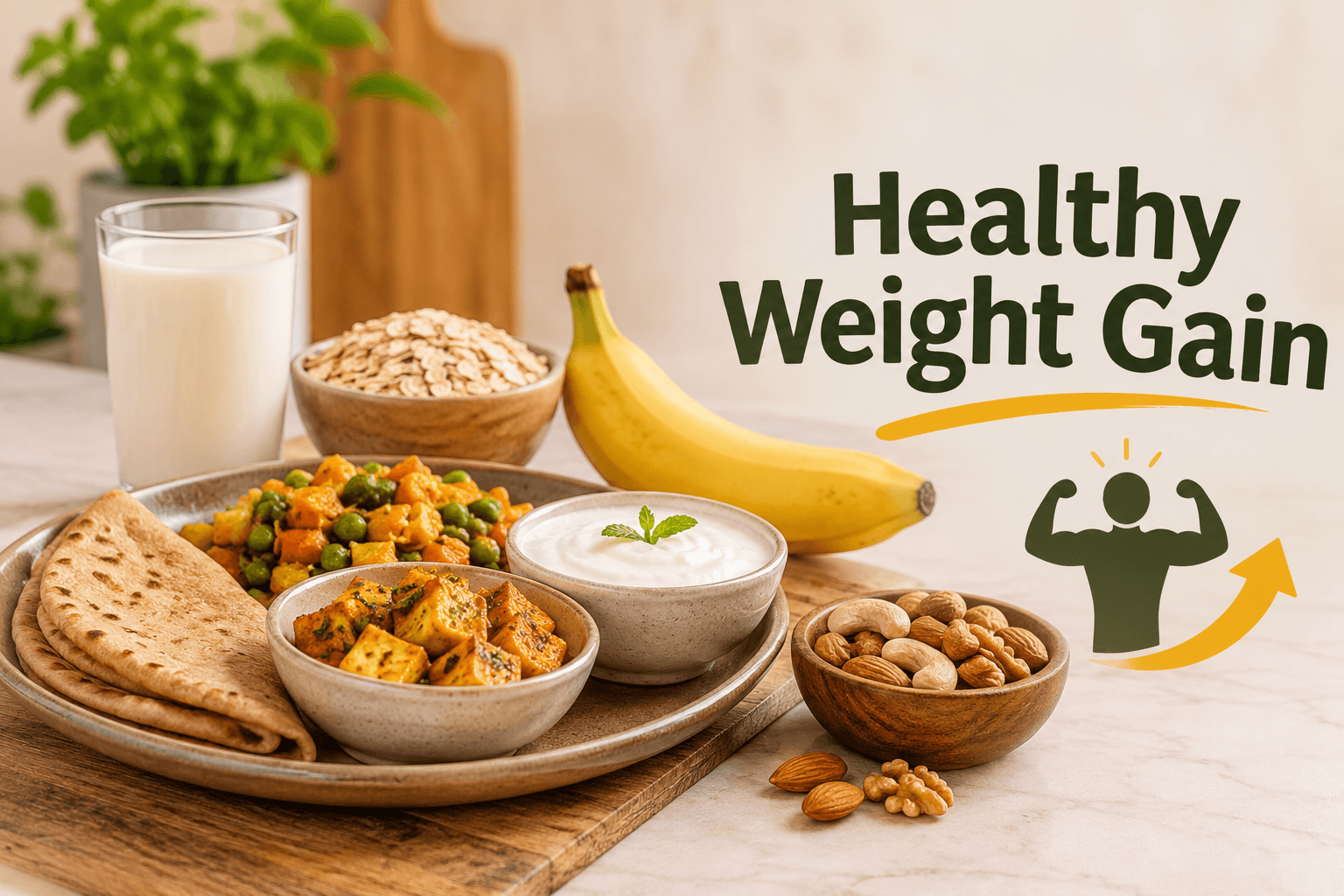
Healthy Weight Gain: How to Gain Weight Without Relying on Junk Food
Gaining weight in a healthy way can be just as challenging as losing weight. While many people focus on weight loss, others struggle to increase their body weight despite eating regularly. People with naturally smaller appetites, high physical activity levels, fast metabolisms or inconsistent eating habits may find it difficult to gain weight.
However, healthy weight gain is not simply about eating more food or consuming high-calorie junk food. It is about providing your body with enough energy, protein, vitamins, minerals and healthy fats to support overall health.
A balanced approach to weight gain focuses on increasing calorie intake gradually, choosing nutrient-rich foods and developing consistent eating habits. With the right combination of nutrition, physical activity and lifestyle changes, it is possible to gain weight without compromising long-term health.
1. Understand the Basics of Healthy Weight Gain
Healthy weight gain generally requires consuming more calories than your body uses throughout the day. This is commonly known as a calorie surplus.
Your body needs energy for essential functions such as breathing, digestion, maintaining body temperature, physical movement and daily activities. When your calorie intake consistently exceeds your energy requirements, the additional energy can contribute to weight gain.
However, the quality of those calories matters.
For example, regularly consuming packaged snacks, sugary drinks, fried foods and desserts may increase calorie intake, but these foods do not provide the same nutritional benefits as balanced meals.
A healthier approach includes:
- Increasing daily calorie intake gradually.
- Eating balanced meals containing carbohydrates, protein and healthy fats.
- Including nutritious snacks between meals.
- Maintaining adequate hydration.
- Combining appropriate nutrition with strength-training activities.
- Following a consistent eating schedule.
The goal should be to support healthy body composition, strength and overall well-being rather than focusing only on the number on the weighing scale.
2. Choose Nutrient-Dense Foods for Weight Gain
One of the easiest ways to gain weight healthily is to include foods that provide more calories along with essential nutrients.
Nutrient-dense foods supply energy while also contributing protein, fibre, vitamins, minerals and healthy fats.
Some useful food choices include:
Dairy Products
Milk, curd, paneer and cheese can provide protein, calcium and calories. They can easily be added to everyday meals.
For example, you can include a glass of milk with breakfast, add paneer to lunch or enjoy curd with your evening meal.
Nuts and Seeds
Almonds, walnuts, cashews, peanuts, chia seeds, flaxseeds and pumpkin seeds contain healthy fats, protein and other essential nutrients.
You can add them to smoothies, oatmeal, homemade snacks or yogurt.
Bananas and Other Fruits
Bananas are convenient, energy-rich fruits that can be included in smoothies, breakfast bowls or snacks.
Mangoes, dates, raisins and other dried fruits can also help increase calorie intake while providing useful nutrients.
Whole Grains and Starchy Foods
Rice, oats, whole-wheat roti, potatoes, sweet potatoes and other grains provide carbohydrates that support daily energy requirements.
These foods can form the foundation of balanced meals.
Protein-Rich Foods
Eggs, paneer, milk, curd, chicken, fish, lentils, chickpeas, rajma and soy products provide protein.
Including different protein sources throughout the day helps support muscle maintenance and development.
3. Include Enough Protein to Support Muscle Growth
Protein plays an important role in healthy weight gain because it supports muscle repair, maintenance and development.
Simply increasing calorie intake may lead to weight gain, but without adequate protein and appropriate physical activity, the additional weight may not support the desired body composition.
Good protein sources include:
- Paneer and tofu.
- Milk and Greek yogurt.
- Eggs.
- Chicken and fish.
- Lentils and dals.
- Chickpeas and kidney beans.
- Soybeans and soy chunks.
- Nuts and seeds.
Try to include a protein source in your major meals instead of consuming most of your protein in just one meal.
For example, breakfast can include eggs or paneer, lunch can include dal or rajma, and dinner can include tofu, chicken or another protein-rich option.
The amount of protein required depends on factors such as body weight, age, activity level and health status. A nutrition professional can help determine an appropriate intake.
4. Eat Smaller, Frequent Meals If You Have a Low Appetite
Some people struggle to gain weight because they feel full quickly or do not have a strong appetite.
In such situations, eating three very large meals may feel uncomfortable. Dividing food intake into smaller meals and snacks can make it easier to consume sufficient calories throughout the day.
For example, a daily eating routine could include:
- Breakfast: Vegetable omelette or paneer sandwich with milk.
- Mid-morning snack: Banana with almonds or walnuts.
- Lunch: Rice or roti with dal, vegetables, curd and paneer.
- Evening snack: Banana smoothie or yogurt with nuts.
- Dinner: Roti or rice with chicken, fish, tofu or legumes.
- Bedtime snack: A glass of milk, if suitable.
This is only an example. Meal frequency and portion sizes should be adjusted according to individual calorie requirements, appetite and lifestyle.
The important thing is to avoid skipping meals and build a routine that is comfortable enough to maintain consistently.
5. Add Healthy Calories to Your Everyday Meals
You do not always need to increase the size of your meals significantly to increase your calorie intake. Small additions to foods you already enjoy can make a difference.
Here are some practical ideas:
| Regular Food | Healthy Calorie Addition |
| Oatmeal | Add banana, nuts and milk |
| Roti | Include paneer or a little ghee |
| Rice | Add dal, curd or a suitable amount of ghee |
| Smoothies | Add peanut butter or nuts |
| Yogurt | Add seeds and dried fruits |
| Sandwiches | Add paneer, cheese or egg |
| Vegetable dishes | Add nuts or seeds where suitable |
For example, instead of having plain oatmeal, prepare it with milk, banana, almonds and peanut butter. This provides additional energy, protein and healthy fats without requiring a completely different meal.
These small changes can make healthy weight gain easier and more sustainable.
6. Try Homemade High-Calorie Nutritious Snacks
Snacks can be useful when regular meals are not enough to meet your daily energy requirements.
Instead of relying on packaged chips, biscuits, sweets or sugary beverages, choose homemade snacks that offer a combination of calories and nutrients.
Some practical options include:
Banana and Peanut Butter Smoothie
Blend banana, milk and peanut butter to prepare a convenient energy-rich drink. You can also add oats for additional carbohydrates and fibre.
Paneer Sandwich
Use whole-wheat bread with paneer, vegetables and a suitable spread to prepare a filling snack.
Yogurt and Nut Bowl
Combine curd or Greek yogurt with almonds, walnuts, seeds and chopped fruits.
Dates and Nuts
Dates with almonds or cashews provide a convenient snack that can be carried easily.
Homemade Oats and Banana Bowl
Combine cooked oats, milk, banana and nuts for a nutritious breakfast or evening snack.
These options can help increase daily calorie intake while providing nutrients that support overall health.
7. Do Not Ignore Strength Training and Physical Activity
Healthy weight gain should not focus entirely on food. Physical activity, especially strength training, can also play an important role.
Strength training stimulates muscles and helps support muscle development when combined with adequate nutrition and recovery.
Some activities include:
- Squats.
- Push-ups.
- Lunges.
- Resistance band exercises.
- Dumbbell workouts.
- Supervised strength-training sessions.
Beginners should start with manageable exercises and gradually increase intensity according to their fitness levels.
Adequate protein, sufficient calorie intake and proper rest are important for muscle recovery.
It is also worth remembering that physical activity should not be avoided simply because you want to gain weight. Appropriate exercise supports strength, fitness and overall health.
8. Maintain Proper Sleep and Consistent Eating Habits
Sleep and daily routines can influence appetite, recovery and overall well-being.
People who follow irregular schedules may unintentionally skip meals, eat inconsistently or fail to meet their nutritional requirements.
Developing a predictable routine can make healthy weight gain easier.
Consider these habits:
- Eat meals at relatively consistent times.
- Avoid regularly skipping breakfast or lunch.
- Prepare snacks in advance when you have a busy schedule.
- Get sufficient sleep according to your age and individual needs.
- Allow adequate recovery between strength-training sessions.
- Monitor your weight periodically rather than becoming overly focused on daily changes.
Consistency is more important than making drastic dietary changes for a few days.
9. Common Mistakes to Avoid During Weight Gain
Many people make the mistake of assuming that any food is suitable as long as it increases calorie intake.
However, certain habits can make weight gain less balanced and harder to manage.
Here are some common mistakes to avoid:
Depending Too Much on Junk Food
Fried snacks, sugary drinks and packaged foods may provide calories but should not replace nutritious everyday meals.
Skipping Meals
Missing meals regularly can make it difficult to consume enough calories throughout the day.
Ignoring Protein Intake
A diet focused mainly on carbohydrates and fats may not provide sufficient protein to support muscle maintenance.
Eating Very Large Portions Suddenly
Forcing yourself to consume extremely large meals can cause discomfort. Increasing portions gradually is often more manageable.
Avoiding Exercise Completely
Appropriate strength training supports muscle development and overall physical fitness.
Expecting Immediate Results
Weight gain takes time. Trying extreme diets or making sudden changes may not be sustainable.
A gradual and consistent approach is generally more appropriate than trying to gain a large amount of weight quickly.
10. When Should You Consult a Nutrition Expert?
Although some people naturally have a smaller body frame, unexplained weight loss or difficulty gaining weight despite adequate food intake should not be ignored.
In certain cases, underlying health concerns may affect appetite, digestion, nutrient absorption or metabolism.
You should consider speaking with a healthcare professional if you experience:
- Unexplained or continuous weight loss.
- Persistent loss of appetite.
- Frequent digestive discomfort.
- Difficulty gaining weight despite consistent eating.
- Unusual fatigue or weakness.
- Other unexplained changes in your health.
A healthcare professional can assess whether further investigation is needed.
A qualified nutrition professional can also help create a personalized meal plan based on your body weight, dietary preferences, activity levels, food habits and nutritional requirements.
11. Build a Personalized Healthy Weight Gain Diet Plan
There is no single diet that works for everyone. Calorie requirements and nutritional needs differ from person to person.
For example, a physically active individual may require more energy than someone with a sedentary lifestyle. Similarly, food preferences, digestion, appetite and dietary restrictions can influence meal planning.
A personalized healthy weight gain plan may consider:
- Current body weight and nutritional status.
- Daily calorie and protein requirements.
- Preferred food choices.
- Vegetarian or non-vegetarian eating patterns.
- Daily activity and exercise routine.
- Meal timing and frequency.
- Existing health concerns and nutritional deficiencies, where relevant.
The plan should include foods that are accessible, enjoyable and easy to prepare.
For Indian diets, this could mean combining everyday foods such as roti, rice, dal, paneer, curd, eggs, nuts, fruits and vegetables in appropriate portions.
Rather than following random internet diets or copying someone else's meal plan, choose an approach that suits your individual needs.
Conclusion
Healthy weight gain is not about eating unlimited junk food or forcing yourself to consume extremely large meals. It is about developing a balanced eating routine that provides sufficient calories, protein, healthy fats, vitamins and minerals.
Including nutrient-dense foods such as paneer, milk, nuts, seeds, bananas, oats, eggs, legumes and whole grains can help increase daily energy intake. Combining these foods with appropriate strength training, adequate sleep and consistent eating habits can further support healthy body composition.
Remember that sustainable weight gain takes patience. Small dietary improvements, followed consistently, can make a meaningful difference over time.
If you are struggling to gain weight or are unsure about your nutritional requirements, professional guidance can help you choose a suitable approach.
Want to Gain Weight the Healthy Way?
A healthy weight gain journey starts with understanding your body's nutritional needs. Connect with a PayByCal nutrition expert to get personalized dietary guidance, practical meal suggestions and a sustainable eating routine that fits your lifestyle.
Download the application now
https://paybycal.com/download.html
- Healthy Weight Gain: How to Gain Weight Without Relying on Junk Food
This article is for general education and is not medical advice. Please consult a qualified healthcare professional about your individual needs.